PG&E's V2X pilot reaches 51 homes, but the approved-hardware maze remains
PG&E has expanded its bidirectional charging pilot from a near standstill to 51 interconnected customers. The fine print shows why turning an EV into a grid asset is still an installation project, not a feature toggle.
California has spent years talking about electric cars as batteries on wheels. In PG&E territory, 51 of those batteries are now actually connected.
That is both progress and a useful reality check. The utility's residential Vehicle-to-Everything pilot had only three participants and no interconnected systems in its September 2025 mid-term report. PG&E told pv magazine USA that 51 pilot customers were interconnected by July 2026. The programme has now added dcbel and Wallbox equipment, opening the door to Nissan Leaf, Volvo EX90, Polestar 3, Kia EV9 and Kia EV6 owners alongside previously approved Ford, General Motors and Tesla combinations.
David Almeida, PG&E's director of clean energy transportation, called the expansion "all about choice". The list is certainly wider. It is not yet plug-and-play.
The car and charger have to arrive as a pair
The newly eligible combinations are specific. A 2018 to 2025 Nissan Leaf, 2025 Volvo EX90 or 2025 Polestar 3 must be paired with the dcbel Ara Home Energy Station. A 2024 or newer Kia EV9, or 2025 or newer EV6, uses Wallbox's Quasar 2. Approval belongs to the combination, not simply to a car carrying a bidirectional-charging claim.
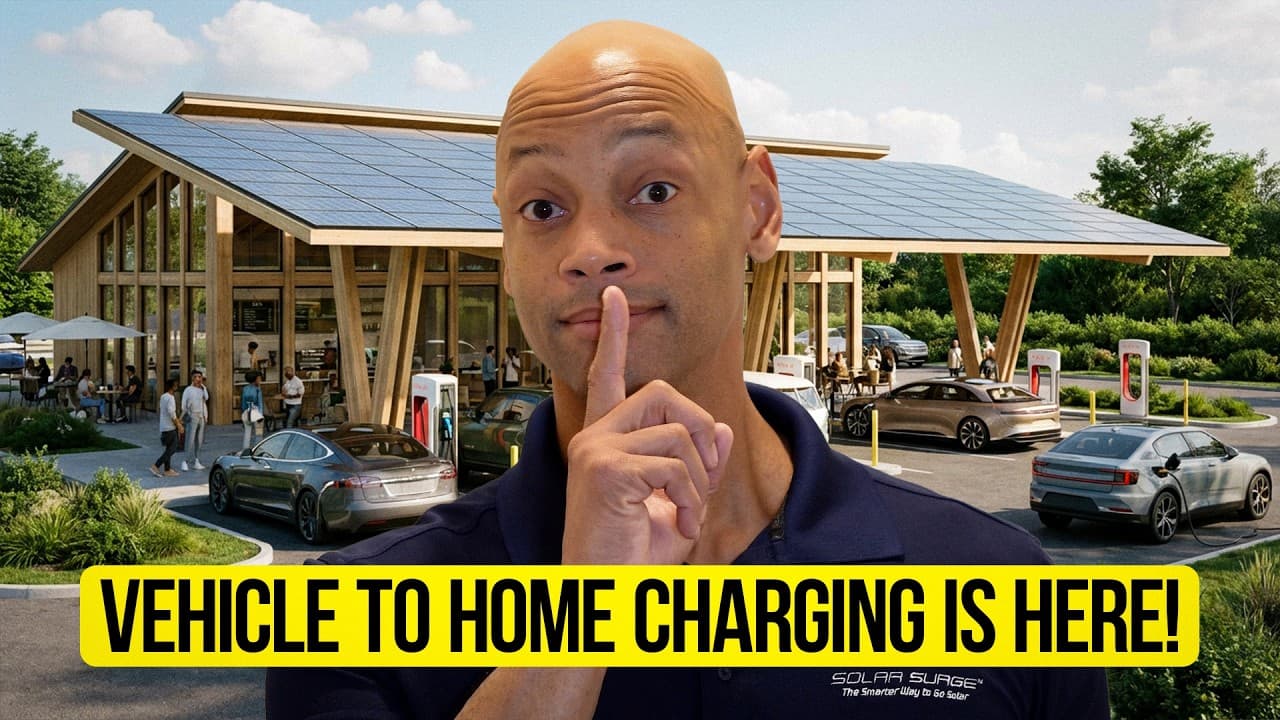
That distinction is visible in Wallbox's transcript-bearing live demonstration with a Kia EV9. The charger handles the DC conversion outside the vehicle and a separate power-recovery unit isolates the home when the grid fails. Solar Surge's filmed visit to PG&E's V2X Experience Day likewise presents a whole-home energy installation, with switchgear and control hardware, rather than a clever wall socket. A third captioned video, from the Yes A Tesla channel, walks through the Cybertruck route and the incentive paperwork after Tesla's AC-based system joined the pilot in April.
The videos show three different implementations of the same idea. They also explain why a vehicle model cannot be certified in isolation. The car, charger, transfer equipment, software provider and utility protection scheme all have to agree about when energy may leave the battery and where it may go.
The $4,500 is reimbursement for a process
PG&E offers a $2,500 infrastructure incentive, increased to $3,000 in disadvantaged communities. The first 250 residential customers receive another $1,500. The new dcbel and Wallbox options may also qualify for up to $13,000 from the California Energy Commission's REDWDS grant, although dcbel told pv magazine USA that fewer than 50 grant places remained.
The utility rules explain what those dollars are buying. A participant needs standard split-phase 240-volt service, an eligible EV and compatible charger, an installation by an EVITP-certified electrician, local permit documents and enrollment in the Emergency Load Reduction Program through an approved aggregator. PG&E recommends an electrical assessment before any equipment is purchased because a service upgrade may be required.
Payment comes after purchase, installation, documentation and successful enrollment. The base rebate is issued four to six weeks later. In other words, "up to $4,500" is not a shop-counter discount on a bidirectional charger. It is compensation for completing an energy project at home.
Backup power and grid power follow different lanes
A homeowner can use the pilot in two materially different ways. Backup Power Testing measures how the car and charger support the property while it is islanded during an outage. If no real outage occurs for more than three months, PG&E can schedule a test, disconnect the meter for up to four hours and pay $100 when the participant completes the survey. Each home faces no more than two tests.
Sending energy while connected to the grid brings Rule 21 interconnection and Hourly Flex Pricing into play. Prices are forecast seven days ahead, fixed one day ahead, and the customer receives an annual credit if the experimental pricing would have beaten their ordinary rate. PG&E warns that the customer still pays to charge the vehicle first and will not see discharge earnings until the annual true-up.
Solar makes the boundary clearer. A home with rooftop generation can join backup testing, but PG&E says it cannot join Hourly Flex Pricing under the ordinary path. It can add the vehicle as a non-export facility using multiple-tariff metering, but then receives no credit for energy exported from the car.
From two homes to 51, with the hard test still ahead
PG&E's 2024 regulatory report described two Ford F-150 Lightning households enrolled and no customer EV energy exported through June of that year. It blamed the slow start on scarce certified equipment and incomplete open standards, which forced vehicle and charger manufacturers to confirm interoperability before a combination could be admitted.
Fifty-one interconnections show that the certification logjam is loosening. They do not yet show how much dependable power the fleet can deliver, what owners earn after charging losses, or whether the paperwork can scale beyond motivated early adopters. PG&E's next regulatory filing is due by 30 September 2026. The most important number in it will not be another list of compatible cars. It will be how many of those 51 homes actually exported energy when the grid asked.
- https://www.youtube.com/watch?v=WLMqaq94bjo
- https://www.youtube.com/watch?v=H0WGl_U5azs
- https://www.youtube.com/watch?v=SI9YZs8v9BI
- https://pv-magazine-usa.com/2026/08/25/pge-expands-bi-direction-ev-pilot-program-with-new-hardware-and-software-partners/
- https://www.pge.com/en/clean-energy/electric-vehicles/getting-started-with-electric-vehicles/vehicle-to-everything-v2x-pilot-programs.html
- https://www.pge.com/assets/pge/docs/clean-energy/electric-vehicles/VGI-Pilots-Program-Rules-Residential.pdf
- https://docs.cpuc.ca.gov/PublishedDocs/Efile/G000/M559/K095/559095157.PDF
- https://investor.pgecorp.com/news-events/press-releases/press-release-details/2026/PGE-and-Tesla-Turn-Cybertruck-into-a-Grid-Asset-Advancing-the-Future-of-Electric-Power-in-California/default.aspx
More from the file
Hyundai gave V2X one global name. The electricity market did not follow
AllDayEnergy will put Hyundai, Kia and Genesis charging services under one badge, but the first release exposes the harder problem: V2X still changes at every border, utility and wallbox.

The grid scorecard that leaves EV charging ungraded
IREC's 2026 Freeing the Grid report handed one state an A and thirteen an F. Its grades cover exported power, not the load-connection process that can hold up truck charging depots.
California wants 9 GW from parked EVs. Germany is selling the kit
GridLab says 10 percent of California's projected EV fleet could cover a third of the state's 2036 long-duration storage target. The cars that can actually export still come as a branded charger, tariff and app.