
The grid scorecard that leaves EV charging ungraded
IREC's 2026 Freeing the Grid report handed one state an A and thirteen an F. Its grades cover exported power, not the load-connection process that can hold up truck charging depots.
A US scorecard for connecting projects to the distribution grid got its 2026 public walkthrough on 24 August, and the numbers were not flattering. Its blind spot matters to anyone trying to build an electric truck depot: the grades cover power flowing onto the grid, not a depot drawing power from it.
One A, thirteen Fs
Freeing the Grid, a joint project of the Interstate Renewable Energy Council and Vote Solar, grades states on the written procedures utilities must follow when a customer wants to interconnect a distributed energy resource. IREC walked through the 2026 edition in a public webinar on 24 August. Senior program manager Dave Golembeski read out the distribution: New Mexico alone took an A, eight states including California, New York and Illinois earned a B, sixteen landed on C, fourteen on D, and thirteen — Georgia, Missouri and Idaho among them — were graded F, meaning the state has no statewide interconnection procedures applying to all regulated utilities at all.
There has been movement. Eight states improved their procedures since the last edition in 2023: Maine went C to B, New Jersey and Oregon both jumped two grades from D to B, and Wisconsin climbed D to C. New Jersey’s modernised rules, issued at the start of 2026, now require utilities to offer pre-application reports. Those reports, Golembeski said, “help them discern project viability up front, and avoid the need to enter the queue to discover hosting capacity availability” — a way of stopping speculative applications from clogging a queue everyone else is stuck in.
The grade is for the rulebook, not the utility
Golembeski was blunt about what the letters measure. “We base our scoring solely on the provisions included or referenced within each state’s interconnection procedures,” he said, “and not how the local utility applies or executes those procedures in the real world.”
Hawaii is the flattering case: a C on paper, while the utility runs well ahead of what its own rules demand. The other direction is more common. “Oftentimes it is the opposite,” Golembeski said. “A state may get a B grade based on the written interconnection rules, but utilities are not adhering to what are the written rules. And it’s actually really challenging to hold them accountable.”
Where the EV problem lives
Interconnection, as IREC scopes it, covers generation and storage exporting onto the distribution system — solar, batteries, solar-plus-storage. A three-megawatt truck charging depot exports nothing. It is a large new load, governed by a separate and largely ungraded set of utility processes.
Asked on the webinar whether Freeing the Grid would start scoring states on connections for medium- and heavy-duty charging depots, regulatory programs director Mari Hernandez said no, not yet. “We are working on the load connection process as well,” she said. “We have not gotten to a place where we’ve seen a state that has the best practices on load connection just yet, but we are seeing some states definitely moving in that direction.”
The scorecard, in other words, does not grade the load-connection process that determines when a fleet can obtain the power it has requested.
Agreeing to charge less, sooner
The workaround being pushed hardest right now is contractual rather than physical. Zach Woogen, executive director of the Vehicle-Grid Integration Council, laid it out in a briefing published by Intersolar & Energy Storage North America on 20 August. Flexible service connections, he said, are “where EVs and EV charging equipment can be used to shift load and ensure that a customer’s site can get connected to the grid faster in locations where the grid is constrained.”
The trade is slightly uncomfortable. “Rather than waiting for the utility to upgrade,” Woogen said, “they can instead agree to a limited load schedule” — charging only at defined hours, inside the capacity that already exists, while the utility gets on with the reinforcement work it needs to do anyway. A depot may open earlier, at the price of operating within a tighter charging schedule.
The generation side has run the same logic for longer. IREC chief regulatory engineer Brian Lydic said states are starting to distinguish a project’s nameplate capacity from its export capacity, so a battery that physically cannot push its full rating onto the feeder is not screened as though it could. IREC research, he said, found the approach “can really up to double the amount of total DER nameplate capacity on a feeder.” Nine states have adopted the full set of those provisions. Freeing the Grid does not yet score an equivalent framework for load connections.
Two megawatts, take it or leave it
What that rationing feels like came through in a FreightWaves interview on 10 August with Pat White, vice president of commercial at Octo Grid, which builds storage into its chargers. Asked how utilities allocate capacity at ports and freight hubs, White described a routine conversation: an operator “may tell the utility that they need 10 megawatts, but the utility may come back and say, ‘Well, you’re only getting two megawatts during that period and you need to figure out how to use it best.’”
His answer is to break the link between grid draw and charge rate with a buffer battery. “We’re pulling at a maximum of 60 kW and able to charge at 200 kW,” he said, “whereas a traditional solution would pull that 200 kW at all times.” The battery fills at off-peak hours and empties when a truck arrives, which he argued lets operators use circuits already in the ground rather than waiting on a service upgrade.
Neither substitutes for building more distribution capacity. A limited load schedule is a promise to want less than you need; a battery-buffered charger averages a small connection over a long night. Both can reduce how much new grid capacity a depot needs before opening. They do not remove the need for utilities to reinforce constrained networks, and Freeing the Grid has not yet published a grade for the load-connection process.
- https://www.youtube.com/watch?v=KitiHGe6rQ8
- https://www.youtube.com/watch?v=EbN3ivFsEYY
- https://www.youtube.com/watch?v=36Qgi6omhiU
- https://freeingthegrid.org/
- https://www.utilitydive.com/news/new-mexico-der-interconnection-irec-vote-solar/821397/
- https://irecusa.org/blog/irec-news/irecs-interconnection-grades-show-improvement-in-several-states/
- https://irecusa.org/blog/regulatory-engagement/mitigating-the-impact-of-electrification-on-rates-with-flexible-connection/
More from the file
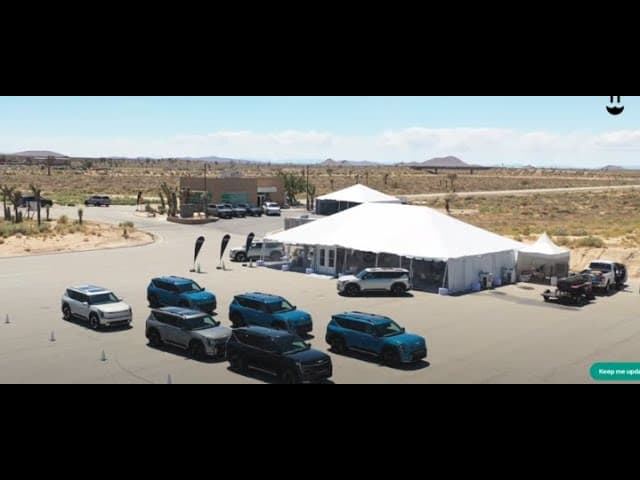
Hyundai gave V2X one global name. The electricity market did not follow
AllDayEnergy will put Hyundai, Kia and Genesis charging services under one badge, but the first release exposes the harder problem: V2X still changes at every border, utility and wallbox.
PG&E's V2X pilot reaches 51 homes, but the approved-hardware maze remains
PG&E has expanded its bidirectional charging pilot from a near standstill to 51 interconnected customers. The fine print shows why turning an EV into a grid asset is still an installation project, not a feature toggle.
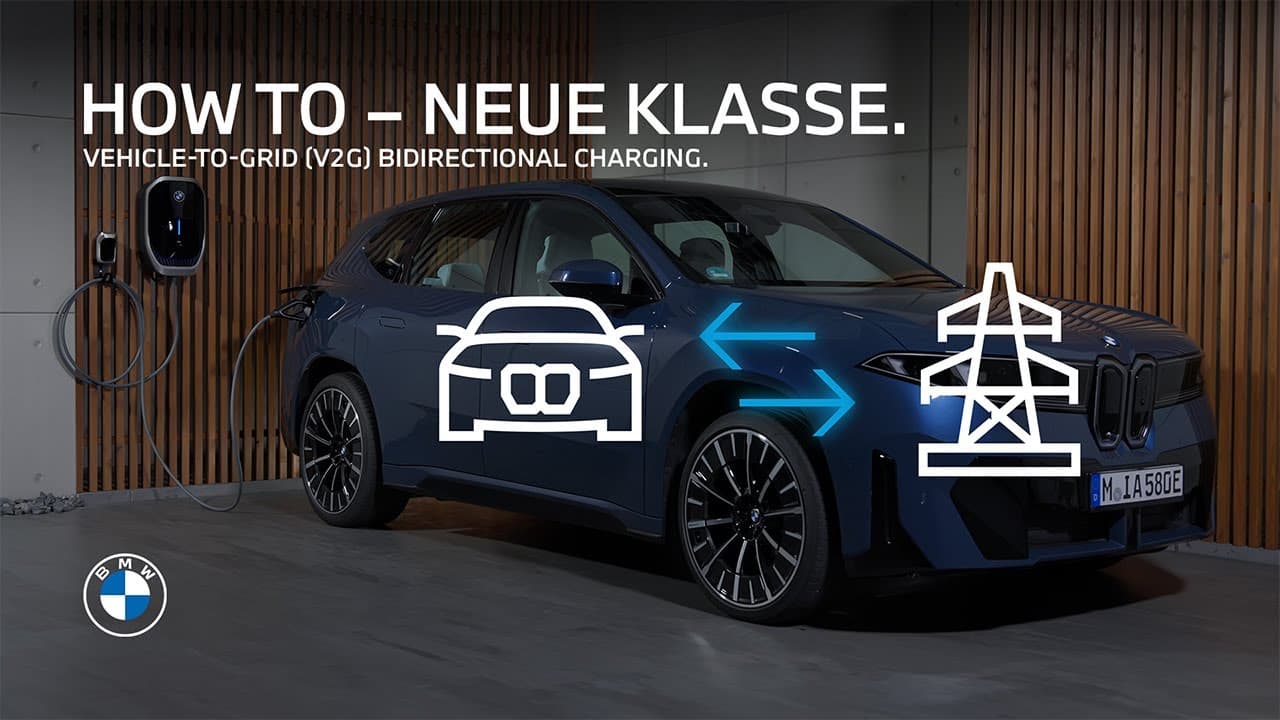
California wants 9 GW from parked EVs. Germany is selling the kit
GridLab says 10 percent of California's projected EV fleet could cover a third of the state's 2036 long-duration storage target. The cars that can actually export still come as a branded charger, tariff and app.