
Two Independent Tests, One Number: The VW ID.3 Neo Really Does Use 15 kWh/100km
German and British testers put the 58 kWh ID.3 Neo through separate real-world runs days apart and arrived at nearly identical efficiency. That single figure reshapes which battery you should buy.
The original ID.3 arrived in 2020 as a car with a good drivetrain wrapped in software nobody had finished. Six years and one renaming later, two independent tests of the ID.3 Neo have landed within days of each other, one German and one British, and they agree on the thing that matters most: this car uses about 15 kWh per 100 kilometres in normal driving. Everything interesting about the Neo follows from that number.
Two testers, one efficiency figure
Electrive tested the 58 kWh Style variant and recorded an average of 15 kWh/100 km, broken down as 10.5 in town, 12.4 on rural roads and 20 on the motorway. Auto Express, testing the same 58 kWh rear-wheel-drive car in the UK, measured almost exactly four miles per kWh, which converts to roughly 15.5 kWh/100 km. Two countries, two routes, two testing styles, effectively the same answer.
That consistency is more informative than either figure alone. Efficiency claims usually collapse the moment a car leaves the conditions it was optimised for, and this one did not.
The range consequences are straightforward. Electrive calculated about 387 km from the 58 kWh pack at its measured average, and roughly 350 km of motorway running before a fast charge became necessary. Auto Express got 254 miles against an official maximum of 297 miles for the same battery, which is about 85 percent of the WLTP figure. Very few electric cars return that ratio.
The small battery becomes the sensible one
Volkswagen offers the Neo with 50, 58 or 79 kWh net, with motors of 125 kW, 140 kW and 170 kW. The 79 kWh version claims up to 630 km WLTP and charges at up to 183 kW DC. The 50 and 58 kWh cars are rated at 105 kW.
On paper the big pack is the one to have. In practice the efficiency changes the calculation, and Auto Express reviewer Jonas Uhlig made the point directly: "the new, more frugal electric motor makes the smaller battery packs far more attractive to buyers than they ever were before." A 58 kWh car doing 254 real miles occupies territory that used to require 70-plus kWh and several hundred kilograms more battery.
Electrive's charging test added a bonus. Against the 105 kW specification, the tested car peaked at 126 kW and took 44 kWh in 25 minutes for a 10 to 80 percent fill. A car that both undercuts its consumption estimate and overshoots its charging spec is an unfamiliar experience from this platform.
What changed under the badge
The Neo is the first Volkswagen to use the updated MEB+ platform, with a new electric motor unit that is the direct cause of the consumption figures above. The cabin work is the other half of the story: a simplified dashboard, a two-spoke steering wheel and, after six years of complaints, easy-to-grip buttons and more intuitive controls after years of complaints about touch-heavy operation.
Martin Sander, Member of the Board of Management for Sales, Marketing and After Sales, framed the generation change around a slogan: "We have developed the new vehicle generation based on the motto 'True Volkswagen'," citing long range, design, quality and intuitive operation as the intended customer benefits.
Slogans are cheap. The measurable claims underneath this one held up in two separate tests, which is not the historical pattern for ID-badged cars.
The price case needs the right trim
In Germany the Neo range opens at €33,995 for the 50 kWh Trend, not the 58 kWh Style tested here. Volkswagen's September price list puts the Style at €38,895 before options; the current €4,000 Style incentive brings that to €34,895. Auto Express estimated a UK price of around £33,500 for the 58 kWh model and awarded the car 4.5 out of 5, while noting that UK pricing had not yet been announced when it tested the car.
A mid-€30,000 hatchback that can cover about 380 km at the measured average and add 44 kWh in 25 minutes still makes a strong case against heavier rivals with larger packs. Efficiency is not merely a specification bullet here, it shapes both usable range and running cost.
The verdict both tests reached
Electrive's tester described a car for people "not looking for an automotive spectacle but want an excellent electric car for everyday use," concluding that "the ID.3 has become a genuinely good electric car." Uhlig's assessment in Auto Express ran along similar lines: "It scores highly with its vastly improved technology and excellent versatility," and, more pointedly, "Volkswagen is seemingly back where it belongs."
Neither review claims the Neo is exciting. Both suggest that is the point. The ID.3 spent six years being the car Volkswagen had to keep apologising for, and the fix turned out not to be more power or a bigger battery but a motor that wastes less and a dashboard that works. Whether buyers who were burned by the 2020 car come back to find out is a separate question, and one the specification sheet cannot answer.
- https://www.electrive.com/2026/09/10/volkswagen-id-3-neo-test-the-underrated-electric-car/
- https://www.autoexpress.co.uk/volkswagen/id3/370143/new-volkswagen-id3-neo-2026-review-ev-puts-vw-back-where-it-belongs
- https://www.volkswagen-newsroom.com/en/press-releases/world-premiere-of-the-id3-neo-new-name-new-design-new-interior-and-new-technologies-20320
More from the file

The 2026 Solterra earns a second look, with a motorway-range caveat
Fresh French efficiency testing and an earlier US charging test show why the revised Solterra deserves another look, and why buyers must keep market specifications separate.
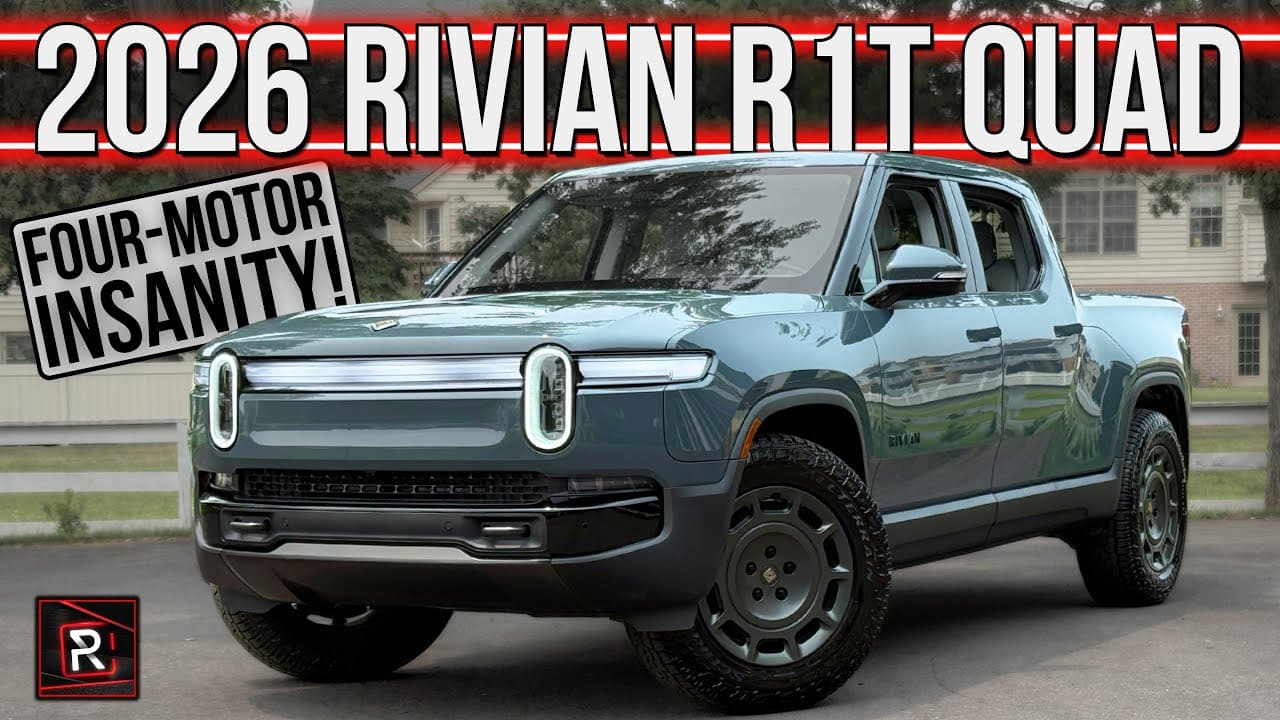
Rivian's 1,025-horsepower R1T costs $124,000. Its charging is less exotic
The quad-motor R1T is among the quickest vehicles on sale, but it is not especially efficient, tops out at 220 kW and still lacks massaging seats.
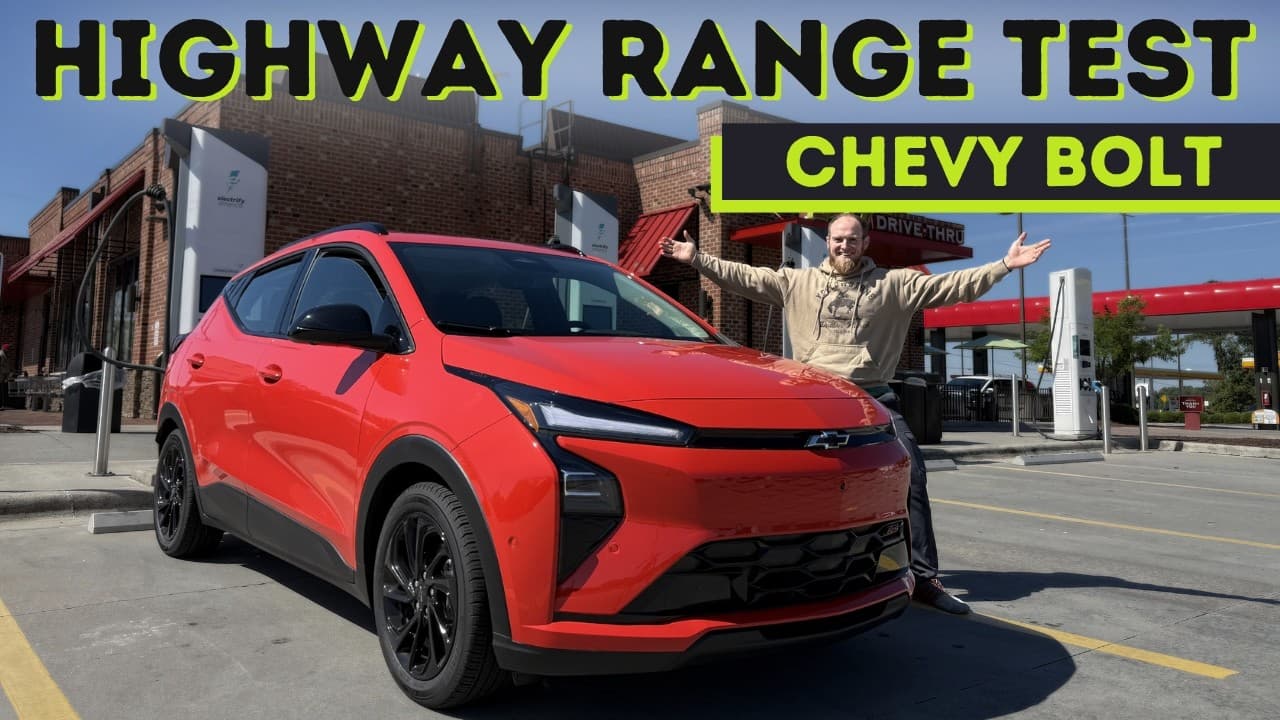
The $30,000 EV range contest changes winner when the road speeds up
Edmunds found 290 miles in the Chevrolet Bolt and 310 in the Nissan Leaf. At steady highway speed, other tests cut those numbers sharply and expose the difference between daily range and road-trip range.