
China wants 18-month car programmes. Its regulator just pulled the handbrake
Surprise factory inspections, a 4.27-million-vehicle recall and a proposal to double mandatory road testing. Beijing is trying to slow an industry it spent a decade teaching to sprint, and its own executives are split on whether that is possible.
By EV News Desk
China's carmakers want to build a brand new model in 18 months. Their own regulator has just spent the summer telling them, with surprise inspections and a 4.27-million-vehicle recall, that they cannot have it both ways.
The 18-month figure comes from an estimate by car designer IAT Automobile Technology and the China Association of Automobile Manufacturers, reported by Bloomberg. Artificial intelligence across design, simulation and supply-chain work is what makes it plausible. The current Chinese pace is about two years; legacy foreign rivals take three to five.
That gap is the competitive story of the past five years, and the reason roughly 650 new or updated vehicles landed in the Chinese market in the first half of 2026 alone. It is also why the Ministry of Industry and Information Technology has launched a year-long enforcement campaign against the industry it built.
What the crackdown actually consists of
Surprise factory inspections, for a start — and a break with the ministry's own habits, because it now names the companies it has visited within days rather than sitting on the list. At least five leading automakers were inspected in July. One of them was GAC's Aion brand, visited shortly after reports that batteries in some models were failing at around 93,200 miles. Aion said it would repair or replace the packs free of charge.
Then there is the recall: Tesla and eight other manufacturers fixing more than 4.27 million electric vehicles to meet new door requirements, the largest vehicle recall China has ever run. Beijing is separately proposing to double the mandatory road-testing distance for new-energy vehicles to 30,000 kilometres, or 18,640 miles.
The ministry is also reading the internet. Two executives at one Chinese automaker told Bloomberg that after complaints about a defect appeared online, the regulator called to ask what was being done before the company had finished sourcing parts and briefing dealers. The formal recall followed about a month after the problem surfaced.
The industry is arguing with itself in public
Unusually, senior executives at Geely, Great Wall and Chery have been making the regulator's case for it, warning that compressed timelines effectively hand durability testing to paying customers.
“Cars aren't fast-moving consumer goods. They touch the safety of millions of families and must endure the test of diverse road conditions, climates, and driving habits worldwide,” Chery vice-president Li Xueyong wrote in an August 26 social media post. “There are simply some development timelines we cannot afford to shortcut.”
And yet Geely chairman Li Shufu, in an interview broadcast by CCTV on June 20, was blunt about how little appetite exists for actually easing off. “I think it's not really possible to ask anyone to slow down. Everyone's in a race to get in front,” he said. “This ask might be too hard. If you ask me to slow down, I might not say yes.”
Lu Fang, who chairs Dongfeng's Voyah brand, has offered the counter-argument: a quickly developed car that has passed every required test is not a safety problem, it is a demonstration of efficiency.
Bill Russo, who runs the Shanghai consultancy Automobility, expects the inspections to sort those claims into separate boxes rather than settle them. “Speed has become embedded in the Chinese industry's operating model, and consumers expect rapid product renewal,” he said. The campaign, he added, “could force companies to be more disciplined about where they compress time. They can continue moving quickly in software, digital features and areas that can be thoroughly validated through simulation, but regulators are clearly signaling that safety-critical hardware and new technologies need stronger validation before being put into customers' hands.”
A chief engineer in the passenger seat
Geely Galaxy staged its own answer to the safety question on September 2, and streamed it.
At the CRARI fire safety laboratory, with CATL and the China Merchants Testing Vehicle Technology Research Institute involved, the chief engineer of the new Galaxy TT sedan sat inside the cabin while engineers deliberately triggered thermal runaway in a single cell. Conditions were set past the normal envelope: 40C ambient, 40C cell temperature, 96 per cent state of charge, with the trigger device buried inside the pack to bypass external protection layers.
GB 38031-2025, the national standard that took effect on July 1, demands no fire and no explosion. Galaxy set its target at no visible smoke, routing hot gases through a directional pressure-relief channel and a multi-stage cooling and filtration system before venting them outside the car. Observation ran 24 hours rather than the mandated two. The reported result: no flame, no explosion, no propagation and no smoke entering the cabin.
It is a marketing exercise, and the sort you only run if you are confident. It also shows where the competitive front line has moved: from range and screen size to whether your pack can misbehave without hurting anyone.
Exporting cars, not habits
The safety campaign arrived alongside a separate set of guidelines from the Ministry of Commerce and other agencies, instructing carmakers to leave their domestic tactics at home. Automakers were told to “establish pricing strategies based on cost and guided by international market supply and demand” and to “refrain from disrupting market competition in order to gain unfair competitive advantages”. Promotional activity must avoid “false advertising, deceiving or misleading consumers” in order to “safeguard the image of Chinese automotive brands”.
The Autopian's Matt Hardigree caught the awkwardness of a government that spent a decade funding and incentivising as many carmakers as possible now asking them to stop behaving like it; his comparison was a deer population with no hunting season. Many of these companies struggle to make money at home, which makes Europe and Southeast Asia important outlets and gives Beijing a reason to protect the reputation of Chinese brands abroad.
Higher compliance costs will not land evenly. Extra validation, longer road-test cycles and unannounced inspections are an inconvenience for BYD and Geely. For a start-up burning cash to hit an 18-month cadence, they are something closer to a filter.
- https://www.latimes.com/business/story/2026-09-01/chinas-breakneck-electric-car-boom-hits-regulatory-speed-bump
- https://www.theautopian.com/china-tells-carmakers-to-play-nice-abroad-after-years-of-encouraging-them-to-fight-dirty-at-home/
- https://autonews.gasgoo.com/articles/news/chief-engineer-boards-vehicle-to-challenge-battery-thermal-runaway-galaxy-tt-verifies-np30-smoke-free-safety-with-real-person-test-2095126073884098561
- https://oica.net/09-04-2026-oicas-5-major-news-items-summarized/
More from the file
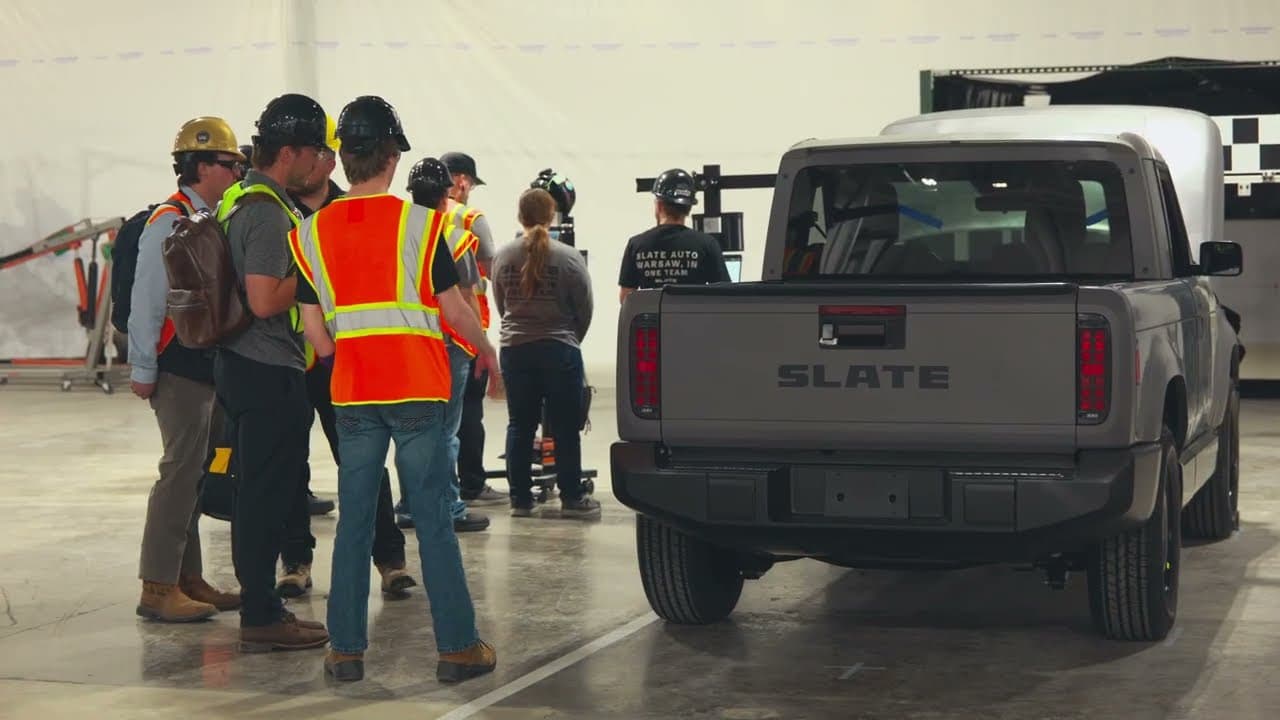
Three prototypes, four months: inside Slate's race to build a $24,950 pickup
Slate has a working body shop in a converted Indiana printing plant, 180,000 reservation holders and a Q4 delivery promise. The rest of the factory is still coming together.
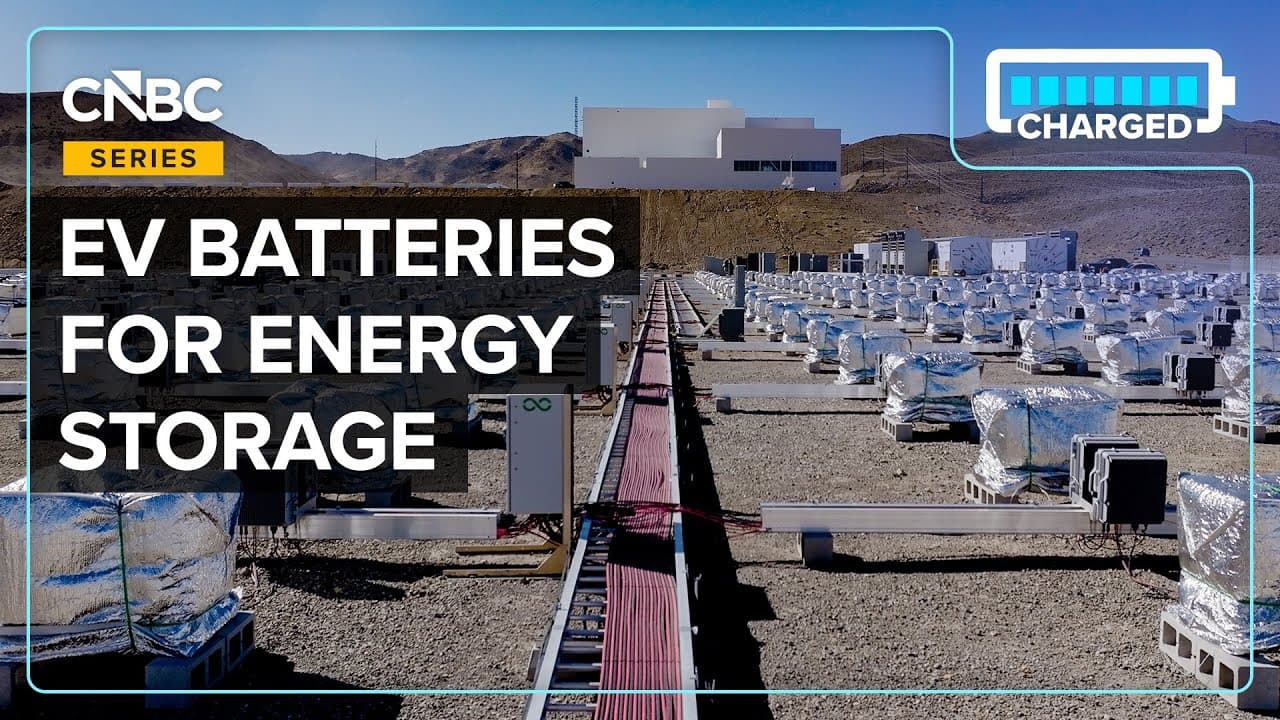
Battery-plant storage pivots run into data-center backlash
Ford and GM are finding grid-storage work for battery capacity built around stronger EV forecasts. Data-center demand offers growth, along with a fast-spreading local political fight.
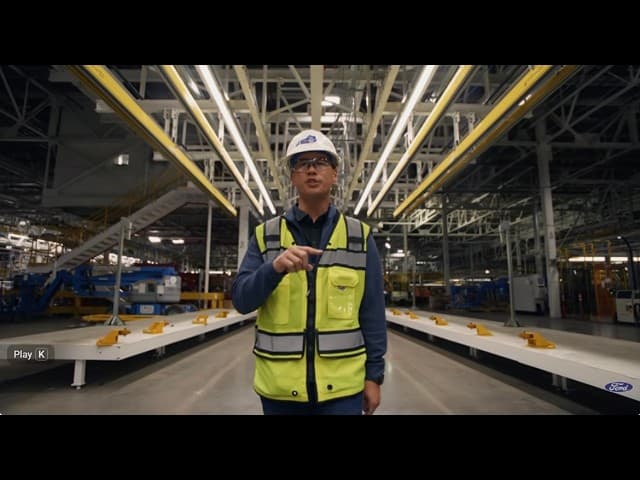
Ford's Louisville assembly tree is 40% quicker, but nets 15%
Ford says its rebuilt Louisville plant can assemble the $28,350 Fathom pickup 40% faster before added automation and quality checks reduce the net gain to 15%.