
The 2026 Solterra earns a second look, with a motorway-range caveat
Fresh French efficiency testing and an earlier US charging test show why the revised Solterra deserves another look, and why buyers must keep market specifications separate.
The revised Subaru Solterra deserves another look, but take a motorway route when you do. A fresh French road test finds a more efficient electric SUV whose range still changes sharply with the job you ask it to do. Earlier American testing adds a second piece of the ownership picture: substantially more convincing fast charging, accompanied by some peculiar behaviour near a full battery.
Those results support a reassessment of the 2026 model. They also show why a single range figure, or a photograph of a charger displaying peak power, makes a poor substitute for a journey.
What September's road test actually measured
In its Supertest published on September 6, Automobile Propre measured the European Solterra 4XPerience on 18-inch wheels. At an average outside temperature of 13°C, its mixed-route consumption was 14.8 kWh/100 km. On its 500 km motorway route between the Lyon and Paris areas, consumption rose to 22.2 kWh/100 km.
Soufyane Benhammouda's team calculated approximately 431 km of mixed driving and 285 km of motorway driving before the displayed battery gauge reached zero. These are range estimates derived from the test's consumption and accessible energy, rather than two separate drives to exhaustion.
The distinction matters because the testers found a substantial reserve hidden below displayed zero. Of 69 kWh of net capacity, they measured only 63 kWh as usable across the gauge, and reported that power is heavily cut once the display reads zero. That reserve is a poor basis for planning the next charger. The useful result is the distance available before entering it, with an arrival margin still to be deducted.
A charging curve with an awkward ending
There is encouraging evidence from the US, although it comes from a different specification. In a February 26 Out of Spec Testing video, presenter Wes tested a Touring XT with a warmed battery. He recorded a peak of 148 kW and about 18 minutes from displayed zero to 50%. The power then declined progressively rather than remaining at its headline maximum, which is the part that actually decides how long a stop takes.
His assessment was that charging had improved enough to make the car a credible road-trip option. That is the creator's judgement, based on one car at one stall, rather than a promise about every stop.
There was also an unresolved snag. DC charging stopped at 98%; restarting briefly brought the display to 99% before it cut off again, and the car would not complete the intended test to 100%. Wes could not establish the cause, and suspected without testing it that AC charging would fill the last couple of percent. Either way, the session never reached full, so no verified zero-to-full DC time came out of it.
For buyers, the more useful question is how reliably the car replenishes the portion of the battery they normally use between stops.
Check the specification on your side of the ocean
Subaru's US specification advertises about 28 minutes from 10% to 80%, battery preconditioning and 11 kW Level 2 AC charging. Its range claim is up to 288 miles, EPA-estimated. The American model also brings NACS compatibility, which is relevant to charger access there.
The 18-minute independent result starts at zero and ends at 50%. It neither verifies nor contradicts the manufacturer's different 10–80% claim. Likewise, a US range rating should not be placed beside a French motorway result as though both came from the same procedure.
European equipment needs its own check. Subaru Germany's launch information describes a 73.1 kWh battery and an optional 22 kW onboard AC charger available in three of four equipment lines, which it says cuts a full AC charge to under four hours. Verify the actual trim and local specification before choosing home-charging hardware or borrowing a charging-time claim from an overseas review.
Then there are the details that only show up on a test drive. In Cars.com's earlier US launch drive, Brian Normile found the regenerative braking easy to blend into conventional braking, but wrote that “there is no true one-pedal driving mode.” He also reported that the car forgets the chosen regeneration strength between drives, reverting to the weakest setting each time it is switched on.
So a worthwhile Solterra test drive includes your normal cruising speed, a charging stop and some ordinary stop-start traffic. The revised car has evidence in its favour. It is just evidence gathered on two continents, under two procedures, on a car whose numbers move with the route.
Image: European-market Solterra, © SUBARU Deutschland GmbH. Manufacturer press photograph used for editorial reporting under its image-use terms.
- https://www.automobile-propre.com/articles/supertest-subaru-solterra-2026-les-consommations-et-autonomies-mesurees-la-bonne-surprise/
- https://www.youtube.com/watch?v=EnXw1ZwC_Wo
- https://www.subaru.com/vehicles/solterra/features
- https://www.subaru-presse.de/pressemitteilungen/presseinfo-subaru-solterra-elektromobilitaet-auf-subaru-art
- https://www.cars.com/articles/2026-subaru-solterra-review-necessary-improvements-514517/
More from the file

Two Independent Tests, One Number: The VW ID.3 Neo Really Does Use 15 kWh/100km
German and British testers put the 58 kWh ID.3 Neo through separate real-world runs days apart and arrived at nearly identical efficiency. That single figure reshapes which battery you should buy.
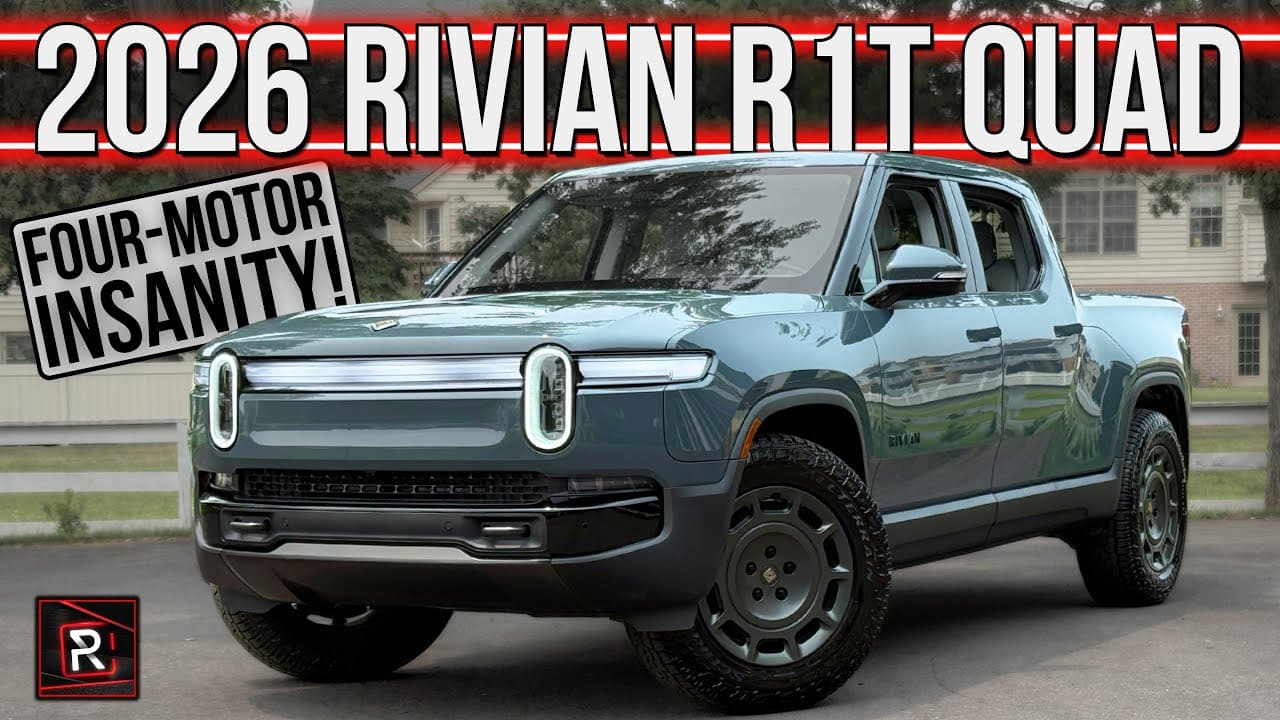
Rivian's 1,025-horsepower R1T costs $124,000. Its charging is less exotic
The quad-motor R1T is among the quickest vehicles on sale, but it is not especially efficient, tops out at 220 kW and still lacks massaging seats.
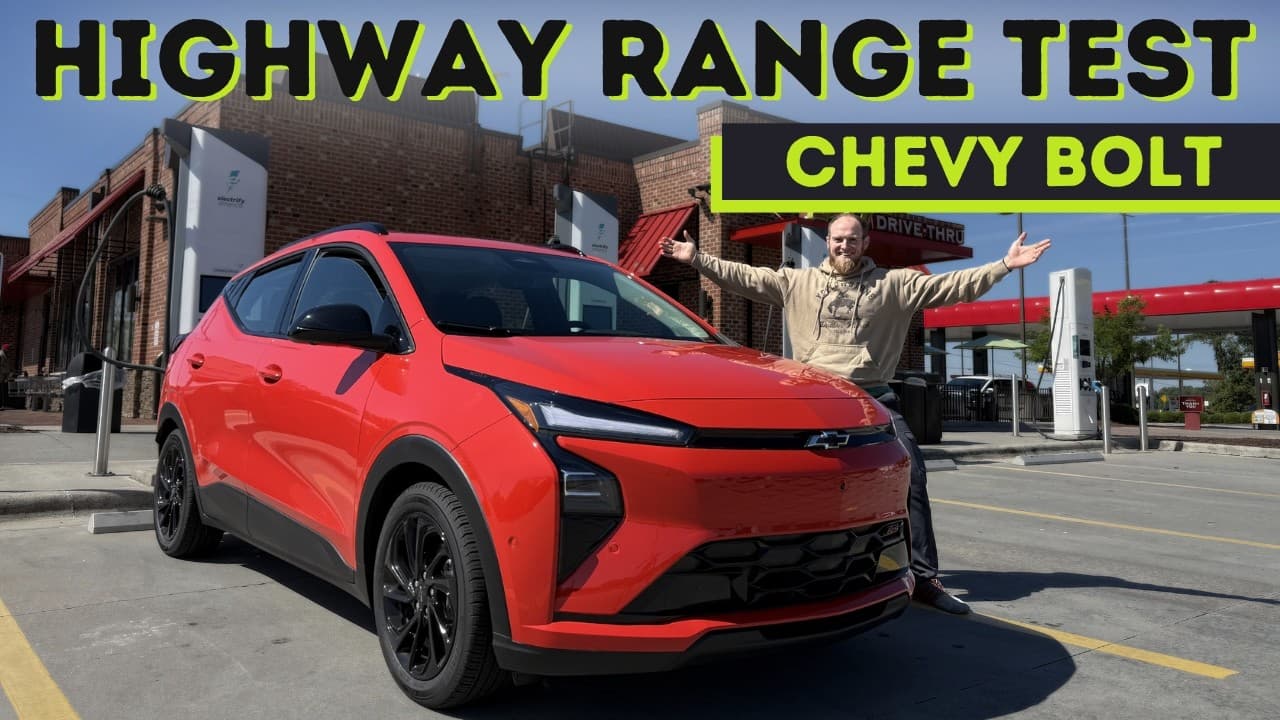
The $30,000 EV range contest changes winner when the road speeds up
Edmunds found 290 miles in the Chevrolet Bolt and 310 in the Nissan Leaf. At steady highway speed, other tests cut those numbers sharply and expose the difference between daily range and road-trip range.