
NY-NJ port pairs electric truck vouchers with plans for up to five charging hubs
A $45 million port programme pairs vehicle discounts with nearby charging. Fleet research shows why routes, electricity bills and winter operation will decide its value.
The Port Authority of New York and New Jersey is putting truck purchases and somewhere to charge them into the same funding programme. Its new $45 million partnership with CALSTART targets the vehicles carrying containers between marine terminals and regional warehouses, a job where an electric truck's daily schedule matters as much as its advertised range.
The September 3 announcement sets out up to $39 million in Clean Truck Incentive point-of-sale vouchers for zero-emission drayage trucks, yard tractors and supporting chargers. A separate $5 million Green Drayage Accelerator aims to support up to five charging hubs within 10 miles of the port's marine facilities. The programmes are due to commence this fall.
“Deploying zero-emission trucks at scale requires pairing accessible vehicle incentives with reliable, high-capacity charging,” said CALSTART executive vice president Alycia Gilde.
A discount buys a truck. A working route earns the money.
The distinction between the two programmes is useful. A purchase voucher tackles the upfront bill; a nearby charging hub can help make the vehicle usable between jobs. Neither establishes, by itself, how many paid container moves an operator can complete in a shift.
In her September 13 edition of The Current, Miss GoElectric presented the port investment as a way to move electric freight beyond small pilots. She also argued that electricity could reduce freight's exposure to volatile diesel prices. That is a plausible reason to investigate the switch, but it does not establish a particular operator's savings. The electricity contract, charging stops and truck utilisation still belong in the calculation.
Independent freight research makes that qualification concrete. The North American Council for Freight Efficiency's 2026 total-cost-of-ownership analysis identifies return-to-base and drayage operations as especially promising applications for battery trucks. Predictable charging and substantial mileage help spread the investment over more work. Its forecasts exclude incentives, making them a useful reference against which to examine a subsidised purchase, rather than a prediction of this programme's outcome.
NACFE also cautions that local electricity prices, infrastructure arrangements and negotiated vehicle prices make national averages a poor substitute for an individual fleet's accounts. For a port operator, the useful comparison is the cost of completing its actual work: financing, energy, maintenance and charging infrastructure, divided by the miles those assets will serve. A cheap truck sitting idle cannot spread its fixed costs over much freight.
Ten miles is a boundary, not a charging plan
The hub radius gives developers a defined area to work within. Operators will need a more detailed answer: whether a charger fits the journey they already make. A detour, a queue or a charging window that clashes with a terminal appointment could erode the value of a discounted vehicle. Those are questions for site selection and fleet planning, not evidence that any proposed hub has failed.
NACFE's August final findings from Run on Less provide an operational counterpoint. The demonstration followed 14 Class 8 tractors across 13 fleets and several powertrains. Its analysis describes battery-truck operators using short charging opportunities to extend shifts and support multiple shifts, rather than assuming one daily charge. The location and timing of electricity can change how much work a truck does.
Weather needs a place in that schedule too. A 2025 study led by Ankur Shiledar, with researchers from Ohio State, Stanford, SLAC and Oak Ridge, modelled electric drayage at Savannah, Houston and Seattle/Tacoma. Winter produced the highest average energy consumption and greatest variability across the three regions. Heating the battery and cab, road conditions and route geography all affected the energy calculation.
These were simulations at other ports. The authors explicitly identify limited operational data for validating the complete electric-truck model as a limitation. Their work supplies a planning lesson for NY-NJ: test a proposed truck-and-charger schedule against local weather, loads and routes before treating an average consumption figure as a dependable daily budget.
What would count as delivery?
CALSTART says it will track deployments, vehicle performance and charger utilisation through dashboards that transfer to the Port Authority in 2028. Those measures should help distinguish money committed from equipment doing useful work.
The announcement does not identify the winning hub sites, charging tariffs or a date when all locations will be operating. For the next stage, those details deserve as much attention as the voucher total. Fleet operators need to know when they can plug in, what they will pay and whether the truck can make its next appointment. That is where this programme's promise becomes a dispatcher's usable plan.
Illustrative container-port photograph in Scotland: Ollie Craig / Pexels. It does not depict the NY-NJ programme or its proposed charging sites.
More from the file

Oslo keeps half its cars electric with 6 kW plugs, not megawatt stalls
Nearly 49 percent of Oslo's passenger cars are battery-electric. Most of the public plugs that feed them are slow AC posts where people already park.
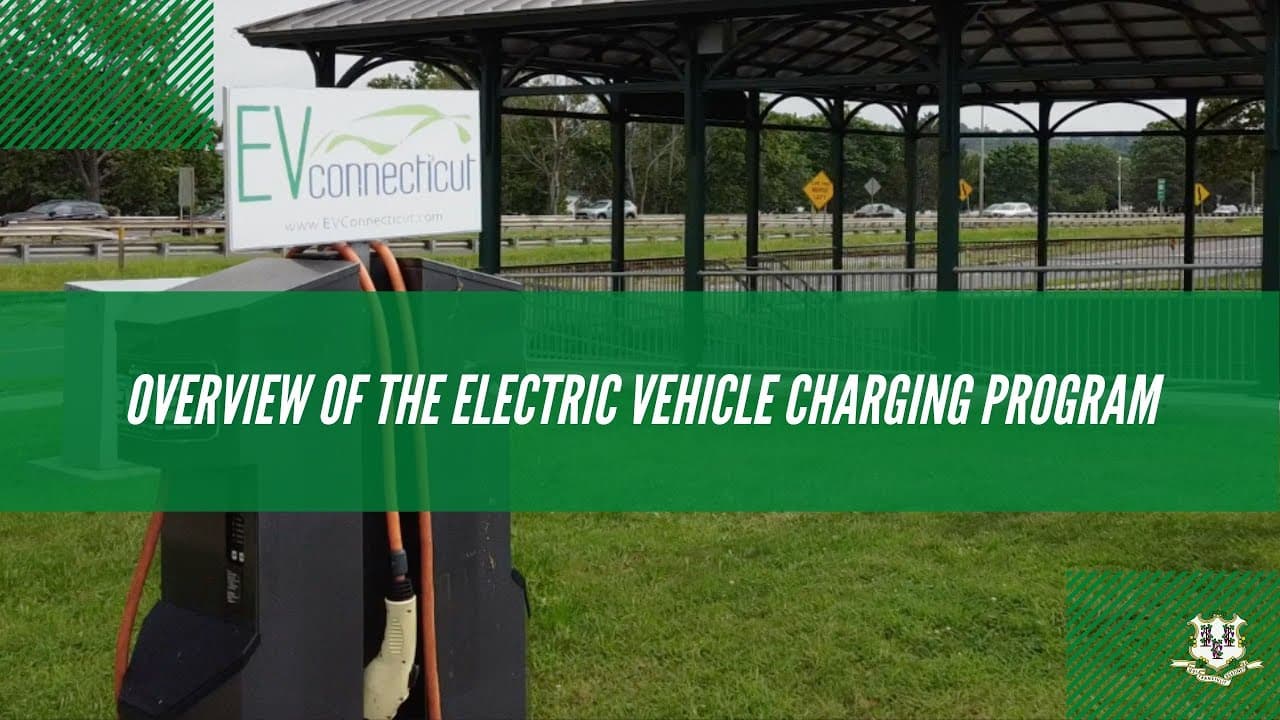
Connecticut wants public EV chargers to become a statewide grid resource
A 1,000-port pilot found that brief, rewarded charging pauses could cut peak demand without requiring compatible vehicle telematics.

EVgo Is Buying Tesla Hardware, but the Map May Be the Bigger Prize
EVgo will own hundreds of Tesla V4 Superchargers that Tesla operates on its behalf. The hardware adds capacity, while Tesla navigation puts the new sites in front of millions of drivers.